April 30, 2026
Choose the right material.

Together, the warp and weft are what give the fabric its texture.
Choosing the right materials can seem difficult, but it doesn't have to be.
Our yarn is made exclusively from natural materials, and we naturally believe it's the obvious choice.
Natural materials result in a durable and long-lasting product.
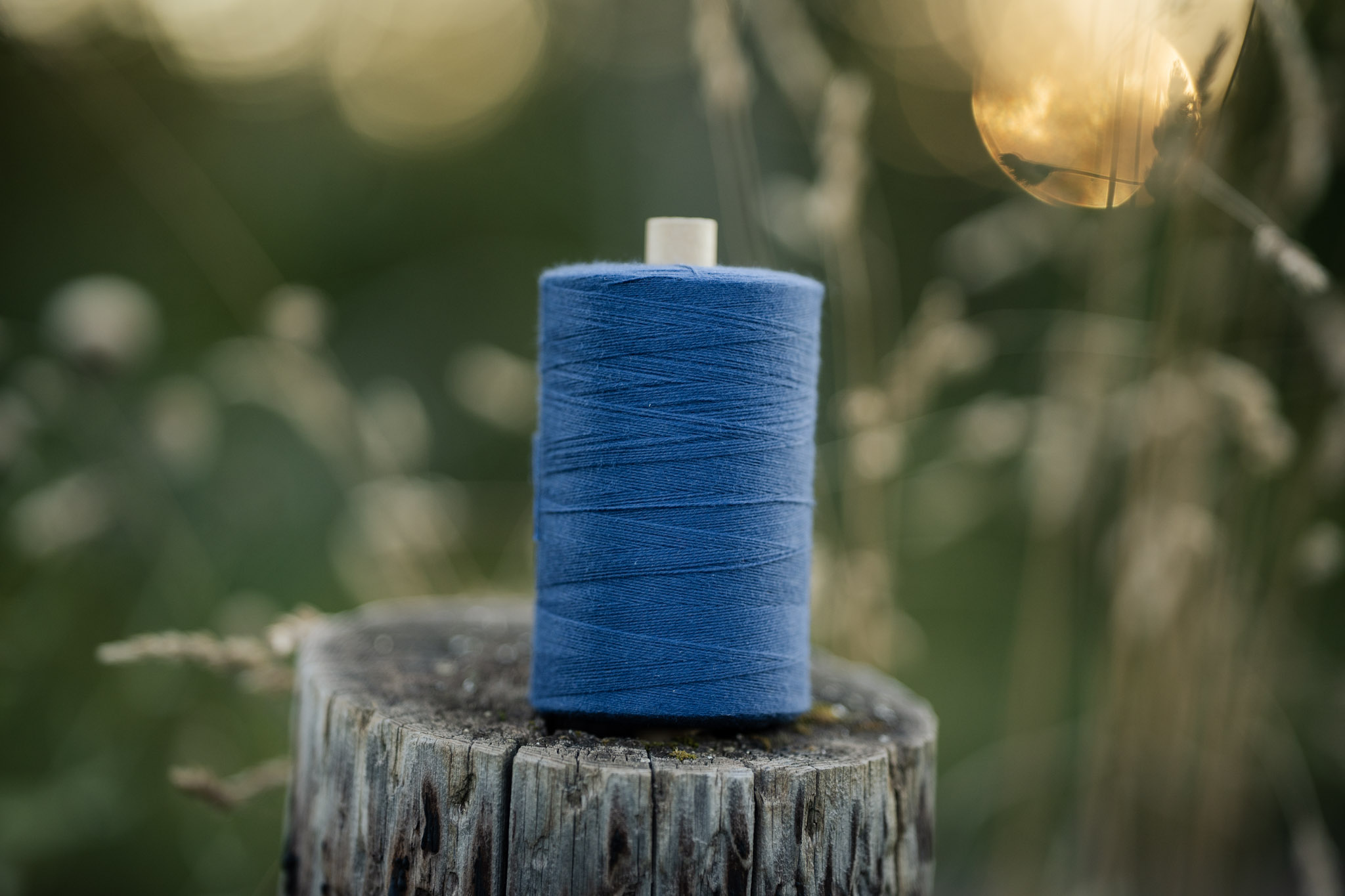
What should you consider when choosing warp and weft?
Choosing the right warp is one of the most important parts of a weaving project.
The warp is the foundation of the fabric and must be both strong and even to withstand the tension of the loom. But this choice doesn’t just affect durability—it also sets the tone for the fabric’s overall look.
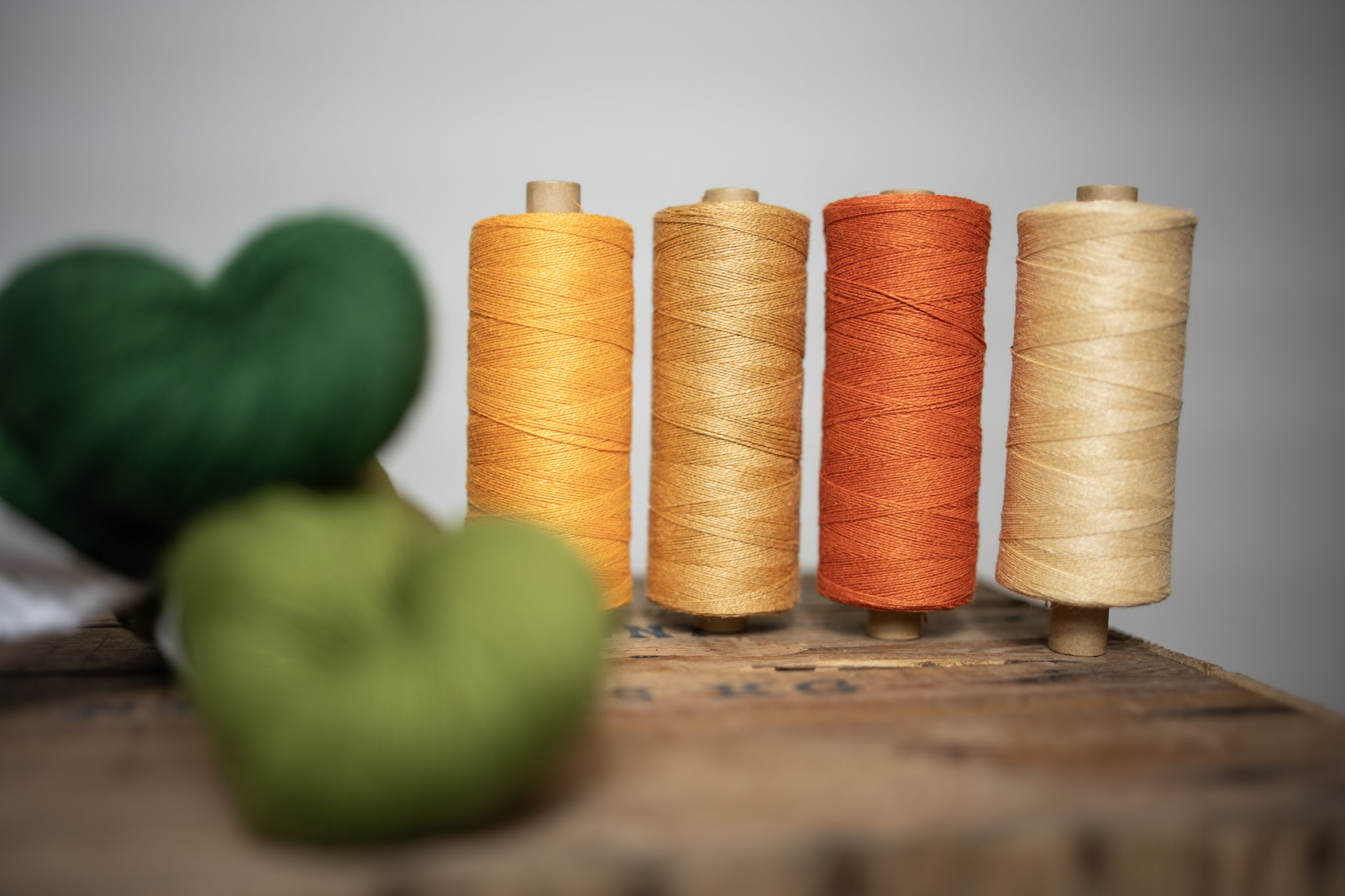
The most common choices for warp threads are cotton and linen. However, they behave quite differently. Our most commonly used products are the 12/6 cotton rug warp and linen warp threads, which are available in various thicknesses. These are used for weaves that require a stable and sturdy foundation, such as rugs.
For curtains and towels, a thinner warp is usually the best choice.
Wool is also suitable for use in the warp, though it’s not as common.
Linen or cotton?
Cotton is softer and more pliable, making it easy to work with and ideal for items such as towels, throws, and other home textiles. Linen is stiffer and very durable, and has a firmer feel. Perfect when you want stability, such as in tablecloths, runners, or rugs. The 12/6 cotton rug warp is also a good choice for rugs.
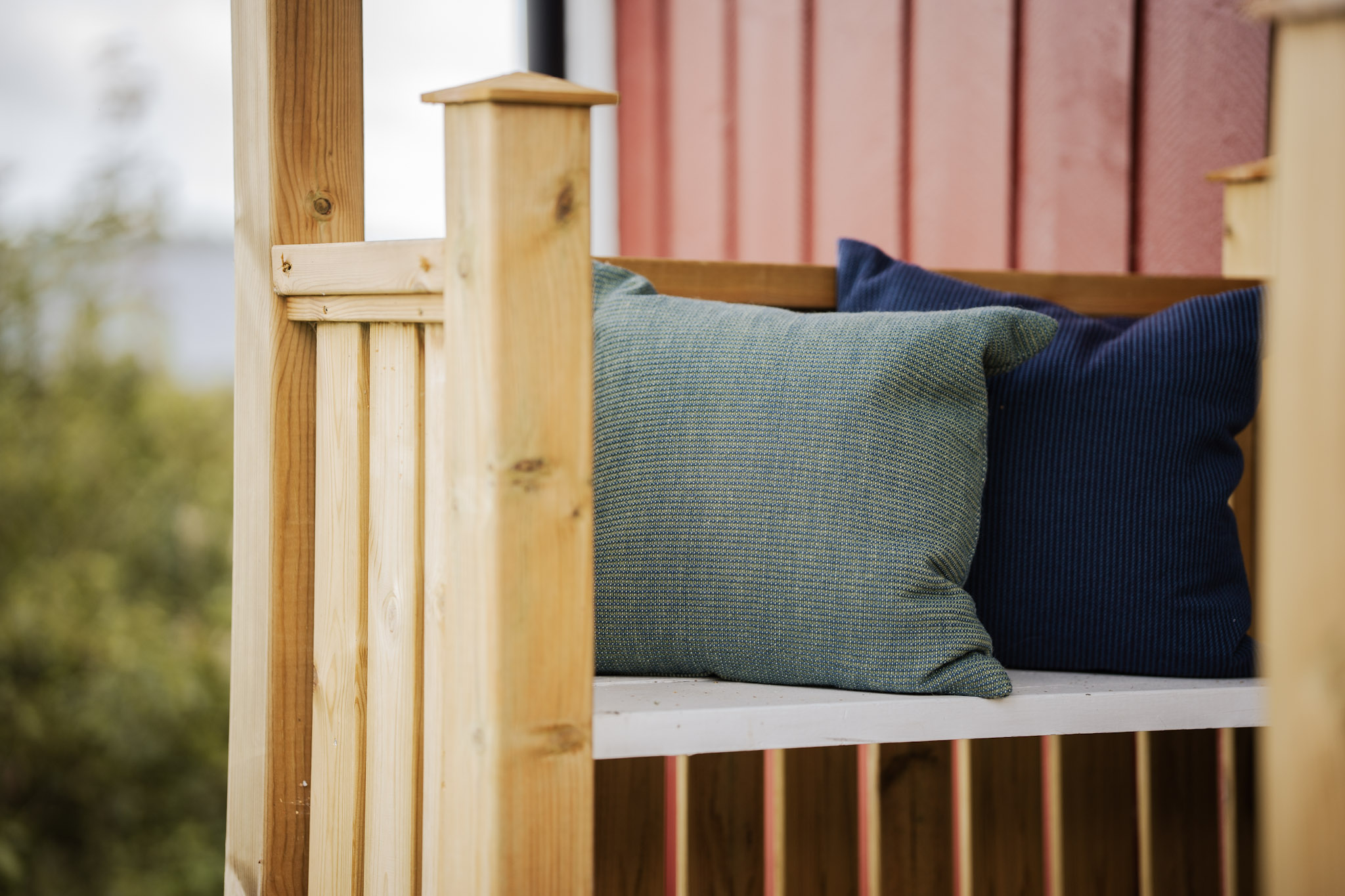
The newest addition to our range, 12/6 parallel-twisted cotton, is perfect for textiles that don’t require the same stiffness, such as the pillow shown in the image above.
The thickness of the warp also plays a major role. A thin warp yields a finer, more detailed result, while a thicker warp provides more texture and weight.
The key is to find a balance between the warp, weft, and technique so that the fabric “holds together” both visually and functionally.
The final results of both elections.
It’s not just the warp that determines the final result.
The weft is just as important. The combination of materials makes a big difference. For example, if you use linen in the weft along with a cotton warp, you’ll get a more durable and stiffer fabric. If you choose wool or cotton for the weft instead, the result will be softer and more supple.
A good approach is to start by considering what the fabric will be used for. Does it need to be durable? Soft? Have a lot of texture? Once you know that, it becomes easier to choose the right combination of warp and weft.
There are no absolute rights or wrongs, but by understanding how the materials interact, you can make more informed choices and achieve the results you’re looking for.
Good luck choosing your materials, and don’t be afraid to experiment with different combinations of materials and colors.
That way, creating becomes so much more fun and personal.